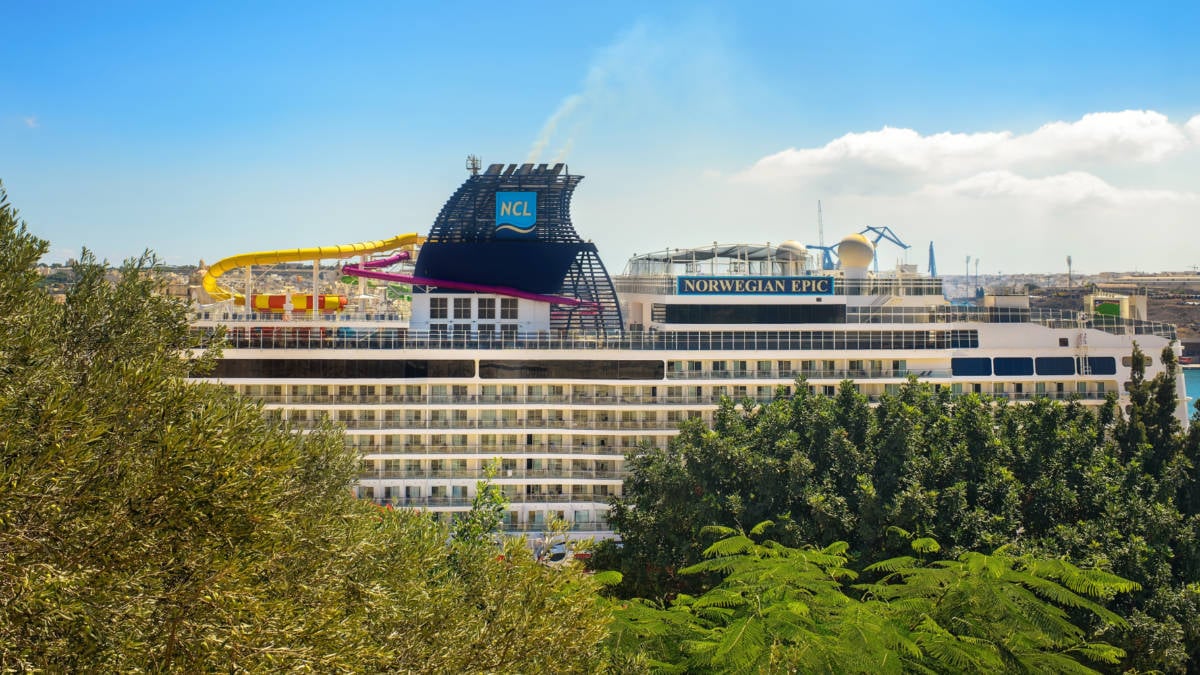
Navigating the Waters: Ensuring Cruise Ship Pool Safety and Preventing Legionnaires' Outbreaks
For many, a cruise vacation represents the epitome of relaxation and adventure, with sparkling pools and invigorating hot tubs serving as central attractions. However, beneath the surface of these inviting amenities lies a critical health concern: the potential for Legionnaires' disease on cruises. While rare, outbreaks can occur, underscoring the vital importance of stringent hygiene protocols. Understanding how cruise lines prevent these incidents and what passengers can do to stay safe is paramount for a worry-free voyage.
The Centers for Disease Control and Prevention (CDC) continuously monitors health risks associated with travel, including the transmission of Legionella bacteria on cruise ships. This article delves into the specifics of Legionnaires Disease Cruise Ship prevention, detailing the measures taken by cruise lines, the role of regulatory bodies, and practical advice for travelers.
Understanding Legionnaires' Disease and Its Connection to Cruise Ships
Legionnaires' disease is a severe form of pneumonia caused by Legionella bacteria. These bacteria naturally live in freshwater environments like lakes and streams but can become a health concern when they grow and spread in human-made water systems. On a cruise ship, facilities such as swimming pools, hot tubs, showers, and decorative fountains, if not properly maintained, can become breeding grounds for Legionella.
How Legionnaires' Disease is Contracted
It's crucial to understand that Legionnaires' disease is not contagious; it cannot be spread directly from person to person. Instead, individuals contract the disease by inhaling small droplets of water (aerosols) containing the bacteria. These aerosolized droplets can be generated by various water sources, particularly those with warm temperatures that facilitate bacterial growth and poorly disinfected water systems.
Why Cruise Ships Require Special Attention
Cruise ships are unique environments due to their closed water systems, shared amenities, and the constant influx of passengers from various locations. A single lapse in water management can potentially expose hundreds, if not thousands, of travelers. The challenge of identifying clusters of travel-associated Legionnaires' disease is further complicated by the fact that travelers often disperse to their homes before symptoms, which can take up to 10 days to appear, begin. This makes obtaining a thorough travel history from patients critical for clinicians to pinpoint potential sources of infection.
Proactive Measures: How Cruise Lines Prevent Outbreaks
Cruise lines, under the watchful eye of public health organizations like the CDC, implement comprehensive strategies to prevent Legionnaires Disease Cruise Ship outbreaks. These strategies primarily focus on rigorous water management and disinfection.
Adhering to CDC Guidelines and Best Practices
The CDC's Vessel Sanitation Program (VSP) outlines strict safety regulations for cruise ship swimming pools, hot tubs, and other potable water systems. These guidelines are the bedrock of prevention. Key aspects include:
- Regular Draining and Cleaning: A fundamental practice is to regularly drain, clean, and disinfect pools and hot tubs. While some ships might use salt water, those relying on chlorine-based systems must ensure pools are not only drained but thoroughly cleaned between ports of call, or even more frequently, depending on usage and specific risk assessments.
- Disinfectant Levels: Maintaining appropriate levels of disinfectants, such as chlorine or bromine, along with balanced pH levels, is vital. These chemicals are effective at killing Legionella and other harmful bacteria. Consistent monitoring and adjustment are necessary to ensure efficacy.
- Filtration Systems: Robust filtration systems are essential for removing particulate matter that can harbor bacteria and reduce disinfectant effectiveness. Regular backwashing and maintenance of filters are critical.
- Temperature Control: Legionella thrives in warm water (20-45°C or 68-113°F). Therefore, careful temperature control of hot tubs and hot water systems is crucial to inhibit bacterial growth.
- Testing and Monitoring: Routine testing of water samples for bacterial presence, disinfectant levels, and other parameters is a continuous process. If a cruise ship fails to adequately test its pools and hot tubs during a voyage, it significantly raises the potential for Legionella exposure.
Beyond these guidelines, leading cruise lines often implement their own heightened sanitation protocols as a precautionary measure, as seen in instances like the Royal Caribbean alert. For more details on specific instances and cruise line responses, read our article on Royal Caribbean Alerts Guests to Legionnaires' on Cruise Ship.
What Passengers Can Do: Staying Safe on Your Voyage
While cruise lines bear the primary responsibility for safety, passengers also have a role to play in protecting their health and contributing to overall onboard safety. Here are some actionable tips:
- Observe and Report: Pay attention to the appearance and smell of water in pools and hot tubs. Water should be clear and free of debris. While a strong chemical smell might seem unpleasant, it often indicates proper chlorination. If you notice cloudy water, excessive foam, or an unusual odor, report it to cruise staff immediately.
- Avoid Overuse if Immune-Compromised: Individuals with weakened immune systems, chronic lung disease, or those over 50 years old are more susceptible to Legionnaires' disease. If you fall into a high-risk category, you might consider limiting your use of hot tubs, which often have higher water temperatures and aerosol generation.
- Maintain Good Hygiene: Always shower before and after using public pools and hot tubs to help reduce the introduction of contaminants.
- Seek Medical Attention Promptly: If you develop flu-like symptoms, fever, cough, or shortness of breath within two to ten days after your cruise, seek medical attention immediately. Inform your doctor about your recent travel, especially if you were on a cruise ship. This crucial information aids clinicians in diagnosis, which often involves collecting urine for antigen testing and respiratory secretions for culture to identify the pathogen.
To deepen your understanding of the risks and preventative steps, explore Legionnaires' Disease on Cruises: What Travelers Need to Know.
The CDC's Critical Role and Reporting Travel-Associated Cases
The CDC plays a pivotal role in monitoring and investigating travel-associated Legionnaires' disease. A significant percentage (over 20-25%) of all Legionnaires' disease cases reported to the CDC are linked to travel. The agency maintains a database of reports and issues recommendations to both clinicians and cruise lines.
Investigating Outbreaks
When cases of Legionnaires' disease are linked to cruise travel, the CDC works with cruise lines to investigate potential sources, review maintenance logs, and ensure corrective actions are taken. Clinicians are encouraged to inform the CDC of any travel-associated Legionnaires' disease cases by sending an email to their designated contact, facilitating rapid response and prevention of further spread.
Legal Recourse and Passenger Rights
In unfortunate instances where a passenger contracts Legionnaires' disease due to alleged negligence on a cruise ship, legal avenues may be pursued. However, cruise ship lawsuits often involve specific complexities.
Understanding Cruise Contracts
Most cruise contracts include "forum selection clauses" that dictate where a claim or lawsuit must be filed, frequently specifying federal courts in South Florida. This "small print" detail, often overlooked during booking, becomes critical if a claim arises. It's essential to determine early on which court is the proper choice under maritime law, as each cruise company's contract can differ. A review of these contractual terms by legal counsel specializing in maritime law is often necessary to navigate the complexities of such cases.
Conclusion
Cruise ship pool safety, particularly in preventing Legionnaires Disease Cruise Ship outbreaks, is a multifaceted responsibility shared by cruise lines, regulatory bodies, and passengers. Through stringent adherence to CDC guidelines, robust water management plans, and continuous monitoring, cruise companies strive to provide a safe environment. Passengers, in turn, can contribute by being observant, practicing good hygiene, and seeking prompt medical attention while disclosing their travel history if symptoms arise. By fostering a culture of awareness and prevention, we can all help ensure that cruise vacations remain a source of joy and relaxation, free from preventable health risks.