Legionnaires' Disease on Cruises: What Travelers Need to Know
Cruising offers an exciting escape, a chance to explore new destinations and enjoy luxurious amenities. However, like any travel experience, it comes with certain health considerations. Among these,
Legionnaires Disease Cruise Ship exposure is a concern that travelers should be informed about. While relatively rare, understanding the risks, symptoms, and preventive measures can help ensure a healthier and more enjoyable voyage. This comprehensive guide will equip you with vital information to navigate your next cruise with confidence.
Understanding Legionnaires' Disease and Why Cruise Ships are a Concern
Legionnaires' disease is a severe form of pneumonia caused by the bacterium *Legionella pneumophila*. Unlike common colds or flu, it is not spread from person to person. Instead, individuals contract the disease by inhaling small water droplets (aerosols) contaminated with the bacteria. These bacteria thrive in warm, stagnant water environments, making certain water systems potential breeding grounds if not properly maintained.
On a cruise ship, various amenities and systems can create these aerosols. Primary culprits often include:
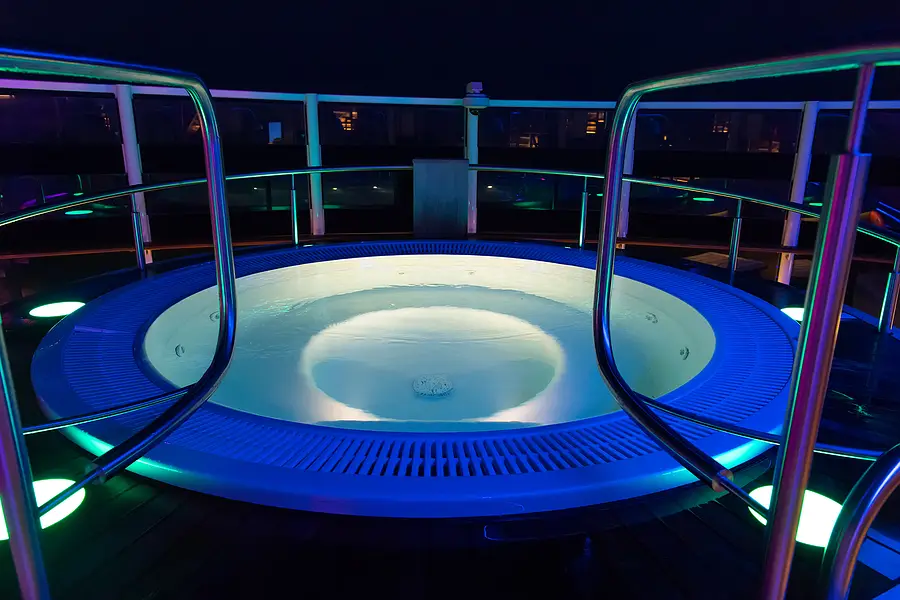
- Hot Tubs and Spas: The warm temperatures and bubbling action create perfect conditions for *Legionella* to multiply and become aerosolized.
- Swimming Pools: While generally cooler, if not adequately disinfected and filtered, pools can also pose a risk.
- Showers and Faucets: Contaminated water in the ship's plumbing system can release bacteria into the air through showerheads.
- Decorative Fountains and Misters: Any feature that atomizes water presents a potential risk.
- Air Conditioning Systems: Specifically, cooling towers within larger HVAC systems can, if improperly maintained, disperse contaminated water.
The Centers for Disease Control and Prevention (CDC) reports that a significant percentage—over 20-25%—of all Legionnaires' disease cases are travel-associated. Identifying clusters linked to cruise ships can be challenging because symptoms often begin after travelers have returned home and dispersed. This delay underscores the importance of traveler awareness and prompt medical consultation should symptoms arise post-cruise.
The Role of Water Systems: Pools, Hot Tubs, and Beyond
The cleanliness and maintenance of a cruise ship's water systems are paramount in preventing
Legionnaires Disease Cruise Ship outbreaks. The CDC has established stringent safety regulations for cruise ship swimming pools and other recreational water facilities under its Vessel Sanitation Program (VSP). These guidelines dictate proper disinfection levels (like chlorine or bromine), filtration, pH balance, and regular testing and draining protocols.
However, adherence to these regulations can vary. For instance, some ships might rely on chlorine-based pools without consistently draining and cleaning them between ports, while others use salt water systems which also require diligent management. Failure to drain, clean, and test pools and hot tubs during a voyage significantly increases the potential for *Legionella* exposure. Biofilm, a slimy layer of microorganisms, can form on surfaces within water systems, protecting *Legionella* bacteria from disinfectants and making eradication more difficult.
As a traveler, while you cannot directly inspect a ship's plumbing, you can observe certain indicators:
- Water Clarity: Pools and hot tubs should have crystal clear water, free of cloudiness or debris.
- Smell: A strong chemical smell (chlorine) is often a sign of *improper* chemical balance, not necessarily cleanliness. A well-maintained pool should have a very mild, if any, chemical odor.
- Surface Cleanliness: Look for clean tiles, absence of scum lines, and well-maintained filtration grates.
- Temperature: While hot tubs are meant to be warm, excessive heat can sometimes diminish the effectiveness of certain disinfectants if not properly managed.
Understanding these visual cues can empower you to make informed decisions about using onboard facilities. For more in-depth information on how cruise lines manage these risks, you might find
Cruise Ship Pool Safety: Preventing Legionnaires' Outbreaks a valuable resource.
Recognizing Symptoms and Seeking Medical Attention
The incubation period for Legionnaires' disease can range from 2 to 10 days, but typically it is 5 to 6 days. This delayed onset is precisely why identifying travel-associated cases can be challenging. Symptoms often resemble other forms of pneumonia, making early diagnosis crucial.
Common symptoms of
Legionnaires Disease Cruise Ship exposure include:
- High fever
- Chills
- Cough (which may produce mucus or even blood)
- Shortness of breath
- Muscle aches
- Headaches
- Fatigue
- Gastrointestinal symptoms like nausea, vomiting, or diarrhea
- Confusion or other neurological symptoms in severe cases
A milder form of the illness, known as Pontiac fever, can also occur. It presents with flu-like symptoms but typically resolves on its own without specific treatment and does not lead to pneumonia.
If you develop any of these symptoms within two weeks of returning from a cruise, it is imperative to seek medical attention immediately. When consulting a clinician, be sure to provide a thorough travel history, including all destinations and cruise ship details from the 10 days prior to symptom onset. This information is critical for diagnosis and for aiding public health investigations. Clinicians evaluating potential Legionnaires' cases will typically:
- Collect urine for antigen testing.
- Collect respiratory secretions for culture, which is essential for identifying the specific pathogen.
- Inform the CDC of any travel-associated Legionnaires' disease cases to assist in tracking and prevention efforts.
Certain individuals are at higher risk for developing severe Legionnaires' disease, including those over 50, smokers, people with chronic lung disease, and individuals with weakened immune systems. Early diagnosis and treatment with antibiotics are vital for a good prognosis.
Cruise Line Responsibilities and Traveler Awareness
Cruise lines have a significant responsibility to maintain safe environments for their passengers. When a potential
Legionnaires Disease Cruise Ship case is reported, prompt and transparent action is expected. For example, a Royal Caribbean cruise recently sent out emails to passengers from a specific sailing, alerting them of a possible Legionnaires' diagnosis in a guest who sailed on the Symphony of the Seas. The email, sent in coordination with the CDC, confirmed that heightened sanitation protocols were implemented as a precautionary measure, reinforcing that the disease is not spread person-to-person. Such communication, while concerning, demonstrates a commitment to transparency and public health safety. You can learn more about this specific event in
Royal Caribbean Alerts Guests to Legionnaires' on Cruise Ship.
Proactive measures taken by responsible cruise lines typically include:
- Rigorous Testing: Regular testing of water sources for *Legionella* bacteria.
- Hyper-chlorination/Disinfection: Implementing enhanced disinfection protocols, especially after an alert or between sailings.
- Flushing Water Systems: Regularly flushing water systems in cabins and common areas to prevent stagnation.
- Staff Training: Ensuring staff are trained in proper water management and sanitation procedures.
As a traveler, you also play a role in prevention. While on board, consider:
- Observing Hygiene: Pay attention to the cleanliness of common areas, especially around water features.
- Reporting Concerns: If you notice any issues with pool or hot tub cleanliness, or unusual smells, report them to ship management immediately.
- Personal Hygiene: While not person-to-person, maintaining good hand hygiene is always advisable for general health.
Navigating Legal Recourse
In the unfortunate event of contracting Legionnaires' disease due to alleged negligence on a cruise ship, understanding your potential legal avenues is important. Cruise contracts often contain "forum selection clauses," which typically mandate that any claims or lawsuits must be filed in specific courts, frequently federal courts in South Florida. This "small print" detail, often overlooked during booking, can significantly impact the process of seeking compensation. If you believe you have a claim, it's crucial to consult with an attorney specializing in maritime law early on to determine the proper court and course of action.
Conclusion
While the thought of
Legionnaires Disease Cruise Ship exposure can be unsettling, it's important to remember that millions of people enjoy cruises safely every year. By staying informed about the risks, understanding how the disease is transmitted, recognizing symptoms, and being aware of the preventative measures cruise lines should implement, you can significantly enhance your travel safety. Prompt medical attention and transparent communication with healthcare providers about your travel history are your best defenses if symptoms develop. Armed with this knowledge, you can confidently embark on your next cruise adventure, prioritizing your health and well-being.