Royal Caribbean Alerts Guests Following Possible Legionnaires' Disease on Cruise Ship
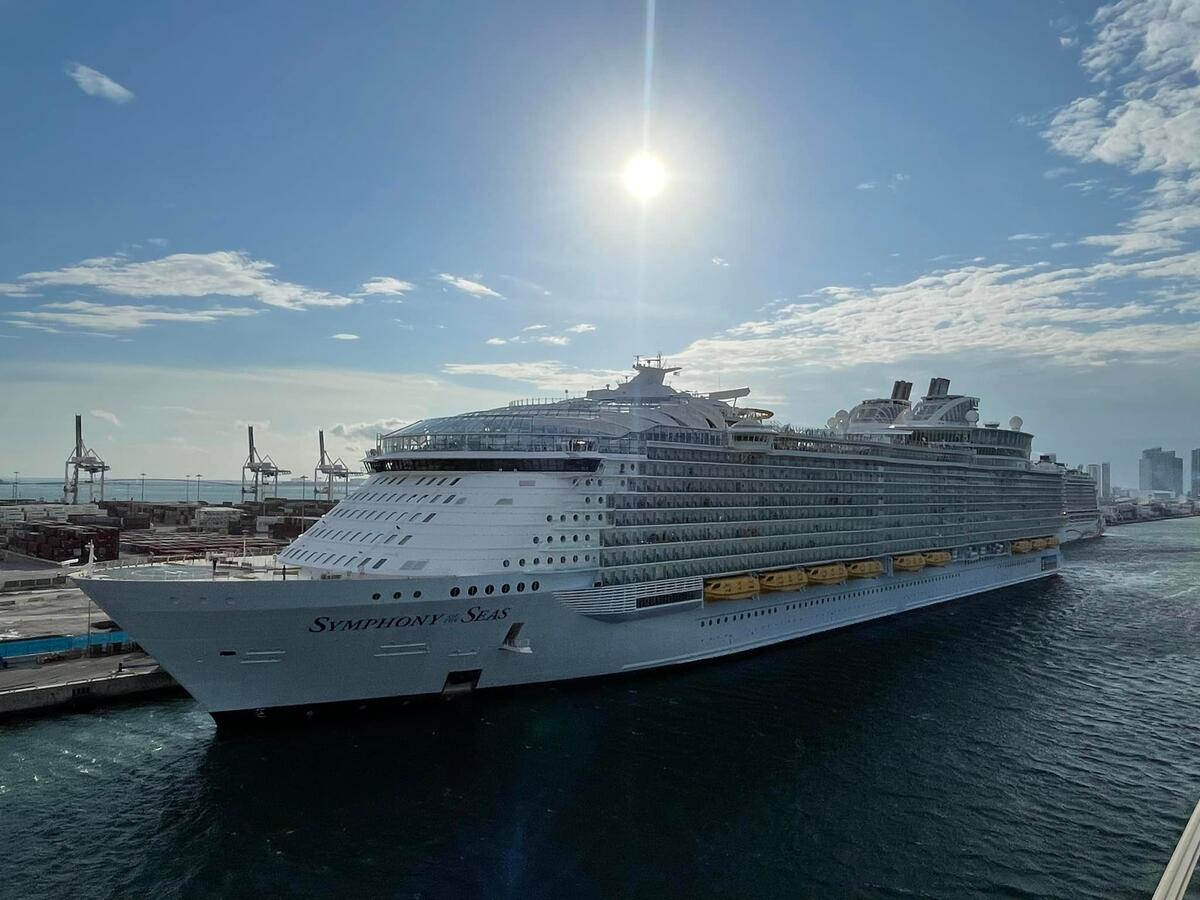
The allure of a cruise vacation often involves sun-drenched decks, refreshing pools, and the promise of exotic destinations. However, a recent alert from Royal Caribbean has cast a spotlight on an unseen concern for travelers: the potential for Legionnaires' disease on cruise ships. Royal Caribbean recently notified passengers who sailed on its Symphony of the Seas vessel about a possible case of Legionnaires' disease, prompting heightened awareness and a swift response from the cruise line.
This incident, involving the May 9th sailing from Cape Liberty, New Jersey, highlights the continuous vigilance required by cruise operators and the importance of public health protocols. While cruise ship health and safety standards are generally high, the nature of marine environments and shared facilities means that understanding potential risks like Legionnaires' disease is crucial for both passengers and the industry.
Understanding Legionnaires' Disease: A Cruise Ship Concern
Legionnaires' disease is a severe form of pneumonia caused by the Legionella bacteria. Unlike common colds or flu, it is not spread from person to person. Instead, individuals contract the disease by inhaling small droplets of water (aerosols) contaminated with the bacteria. These contaminated water droplets can emanate from various sources, making the sophisticated water systems found on modern cruise ships a potential, albeit usually well-managed, environment for concern.
Common sources of Legionella on land include cooling towers, hot tubs, large plumbing systems, and decorative fountains. On a cruise ship, this can extend to whirlpool spas, showers, potable water systems, and even humidifiers. The conditions conducive to Legionella growth typically involve warm water (between 68°F and 122°F or 20°C and 50°C), stagnant water, and the presence of biofilm – a slime layer that can protect bacteria. While many ships utilize advanced filtration and treatment methods, including salt-water pools and rigorous cleaning schedules, lapses in maintenance or system integrity can elevate risk.
Symptoms of Legionnaires' disease can resemble other types of pneumonia and usually develop within 2 to 10 days of exposure. They include cough, shortness of breath, high fever, muscle aches, and headaches. Due to its non-specific symptoms, diagnosing Legionnaires' often requires specific tests, such as urine antigen testing or culture of respiratory secretions. Early diagnosis and treatment with antibiotics are critical for a positive outcome, especially for individuals at higher risk, such as the elderly, smokers, or those with weakened immune systems.
Royal Caribbean's Proactive Alert and Response
The recent alert from Royal Caribbean demonstrates a commitment to transparency and passenger safety. The cruise line acted after being notified by the U.S. Centers for Disease Control and Prevention (CDC) that a guest from the aforementioned Symphony of the Seas sailing was later diagnosed with Legionella. This kind of post-travel notification, while concerning, is a vital part of public health surveillance.
In response to the CDC's advisory, Royal Caribbean promptly sent emails to all passengers who were on the same May 9th voyage. The email assured guests that their "health and safety are always our top priority" and detailed the immediate actions taken. These actions included implementing "heightened sanitation protocols" across the ship and strictly adhering to all CDC guidance. This rapid deployment of enhanced cleaning and disinfection measures is a standard protocol when such a potential exposure is identified, aiming to eliminate any residual bacteria and prevent further cases.
Crucially, Royal Caribbean's communication also served to educate passengers, reiterating that Legionella cannot be transmitted from person to person. This helps to alleviate unnecessary panic and directs focus toward understanding the actual mode of transmission – inhaling contaminated water droplets. Such proactive and informative communication is essential in managing public health incidents and maintaining guest confidence in the safety measures undertaken by the cruise industry.
The CDC's Pivotal Role in Cruise Ship Health & Safety
The Centers for Disease Control and Prevention plays a critical role in monitoring and responding to public health concerns on cruise ships. Their Vessel Sanitation Program (VSP) oversees sanitation standards for cruise ships calling on U.S. ports, including rigorous inspections of water systems, food handling, and general hygiene. The CDC maintains a database of reports, including cases of norovirus and Legionnaires' disease, providing valuable data for tracking outbreaks and informing prevention strategies.
A significant challenge in identifying travel-associated Legionnaires' disease clusters, particularly those linked to cruise ships, is the dispersed nature of travelers. Passengers often return home and may begin to show symptoms long after disembarking, making it difficult to pinpoint the exact source of infection. The CDC estimates that a substantial portion, over 20-25%, of all reported Legionnaires' disease cases are travel-associated, underscoring the need for diligence.
Practical Advice for Clinicians and Travelers
The CDC provides clear recommendations for clinicians evaluating cruise travelers for Legionnaires' disease:
- Obtain a thorough travel history: Ask about all destinations visited within 10 days before symptom onset. This timeline is crucial for identifying potential exposure sources.
- Collect urine for antigen testing: This is a quick and effective way to detect Legionella antigens.
- Collect respiratory secretions for culture: Culturing is essential for definitively identifying the specific pathogen, which can aid in outbreak investigations.
- Inform the CDC: Report any travel-associated Legionnaires' disease cases to the CDC for tracking and investigation.
For travelers, understanding these protocols means that if you experience symptoms consistent with Legionnaires' disease after a cruise, it is vital to inform your doctor about your recent travel history. This information is key to ensuring correct diagnosis and treatment. For more detailed information on staying healthy at sea, consider visiting our article on Legionnaires' Disease on Cruises: What Travelers Need to Know.
Preventing Future Outbreaks: Cruise Ship Responsibilities & Passenger Awareness
Preventing Legionnaires' disease on cruise ships is a multi-faceted effort involving stringent maintenance, proactive monitoring, and passenger awareness. Cruise lines bear a significant responsibility in adhering to and exceeding regulatory health standards, especially concerning their intricate water systems. This includes regular draining and cleaning of pools and hot tubs, maintaining appropriate disinfectant levels (e.g., chlorine, bromine), and consistent testing of water quality. While some ships opt for salt-water pools, others rely on chlorine-based systems, necessitating strict protocols regardless of the method.
Beyond recreational water facilities, attention must also be paid to showerheads, faucets, and air conditioning systems, which can also harbor and aerosolize Legionella bacteria. Implementing robust water management plans that include risk assessments, routine sampling, and rapid response protocols for any detected contamination are crucial for minimizing risks.
For passengers, while the vast majority of cruise voyages are uneventful regarding health, a degree of awareness can enhance personal safety. Observing the cleanliness of pools and hot tubs, reporting any unusual odors or concerns to staff, and practicing good personal hygiene are simple yet effective measures. Should a serious exposure lead to illness, understanding that certain legal avenues exist – often guided by maritime law and specific forum selection clauses within cruise contracts (frequently stipulating South Florida Federal Courts) – becomes relevant. However, the primary focus remains on prevention and immediate health response.
Further insights into the cruise industry's efforts and how passengers can contribute to their safety can be found in our comprehensive guide: Cruise Ship Pool Safety: Preventing Legionnaires' Outbreaks.
Conclusion
The Royal Caribbean alert regarding a possible Legionnaires' disease case on the Symphony of the Seas underscores the ongoing challenges and responsibilities associated with public health on cruise ships. While incidents like this are relatively rare given the millions of passengers who cruise annually, they serve as a potent reminder of the importance of continuous vigilance from cruise lines and informed awareness from travelers. Through robust sanitation protocols, transparent communication, and adherence to expert guidance from bodies like the CDC, the cruise industry strives to ensure that the dream of a relaxing sea voyage remains safe and healthy for everyone aboard. For passengers, staying informed about health risks and knowing how to respond if symptoms arise are key components of a truly worry-free vacation experience.